Toilet Paper Holder Names: Styles, Types & Terms
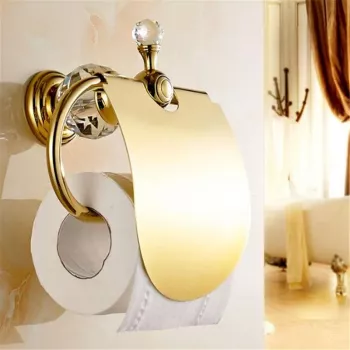
What are those paper holders called?
In most bathrooms, those “paper holders” are called a toilet paper holder (or toilet tissue holder). The term covers the common wall-mounted arm that holds a roll, as well as other styles like pivoting arms, open-ended holders, recessed holders, and freestanding stands.
If the holder has a small cabinet-like box around the roll, it’s often called a toilet paper dispenser. If it’s designed to store extra rolls below the active one, it may be marketed as a toilet paper holder with reserve or a toilet paper stand with storage.
Common toilet paper holder styles and what people call them
Spring-loaded roller holder: The classic style with a removable roller that clicks into place. Many people refer to the removable piece as the “roller” or “spindle.”
Euro-style (open-ended) holder: A modern holder where the roll slides on from one side, making changes faster. This is sometimes called an “open toilet paper holder.”
Pivoting arm holder: The arm swings up or out to swap the roll, often seen in higher-end hardware lines.
Recessed holder: Built into the wall so the roll sits partially inside a niche; common in older homes and certain remodels.
Freestanding holder/stand: A floor unit that holds one roll for use and sometimes several rolls for backup.
Picking the right holder for your bathroom
Beyond the name, the best match comes down to finish, durability, and installation. If you’re comparing premium looks like gold or brass, or want a decorative option with crystal accents, see the detailed styling and material notes here: gold and brass toilet paper holder guide with crystal accents.
For Toilet Paper Holder Names: Styles, Types & Terms, the best answer depends on fit, material, care instructions, and how the product will be used day to day.
FAQ
What is the difference between a toilet paper holder and a toilet paper dispenser?
A holder typically leaves the roll exposed on an arm or bar, while a dispenser partially or fully covers the roll and may control how paper pulls or tears. Dispensers are common in commercial restrooms, while holders are more typical at home.











Leave a comment