Montessori Counting Sticks: Hands-On Math for Kids
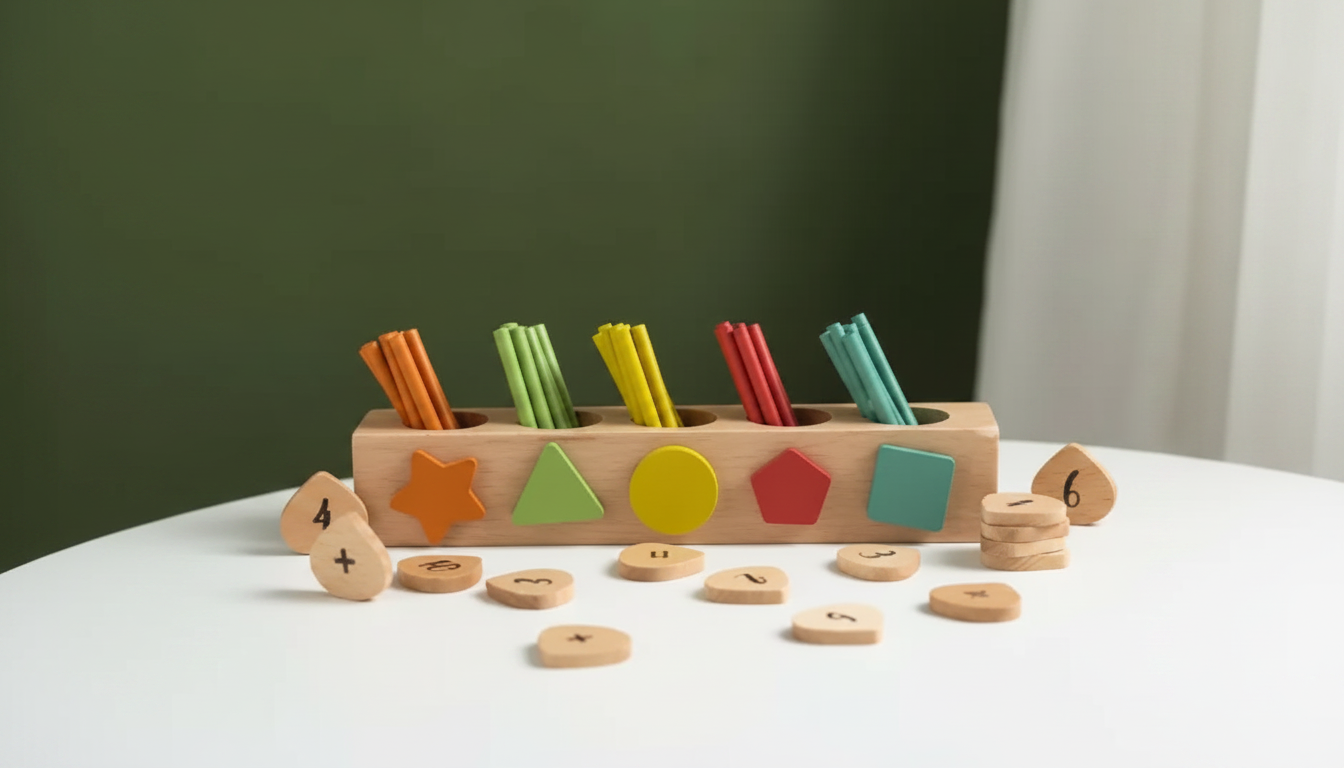
Montessori Wooden Counting Stick Toys
Wooden counting sticks turn early math into something children can hold, move, and test—building number sense through hands-on play. Instead of memorizing symbols on a page, children physically match “one count” to “one stick,” compare two groups side by side, and discover what happens when they combine or separate quantities. The result is learning that feels concrete, calm, and repeatable—whether used at a kitchen table or in a Montessori-inspired classroom.
Below, you’ll find what counting sticks can help children learn, what to look for in a well-made wooden set, simple ways to present activities, and practical care tips so the materials last through years of practice.
What Counting Sticks Help Children Learn
- Number recognition and one-to-one correspondence: Touching each stick once while counting builds the “one object per count” habit that prevents skipping or double-counting.
- Quantity comparison: Children can quickly see which pile has more/less, whether two sets are equal, and how close an estimate is when they count to check.
- Early operations: Combining two groups models addition; taking away from a group models subtraction—then the child recounts to confirm the result.
- Patterning and sequencing: Arranging sticks by color in AB or AAB patterns supports early algebraic thinking and orderly sequencing.
- Fine-motor control: Picking up, aligning, and placing sticks carefully supports hand strength and coordination that later shows up in pencil control.
- Attention and independence: Because the materials are self-correcting (you can recount and verify), children practice focus and problem-solving without constant adult intervention.
For a helpful reference on age-typical development, the CDC’s milestone resources can provide context for what skills are emerging across early childhood: CDC — Developmental Milestones.
What to Look For in a Good Wooden Counting Stick Set
- Smooth sanding with rounded edges: This reduces the chance of splinters and makes the pieces comfortable for repeated handling.
- Non-toxic finishes and dyes: Choose child-safe paint that resists chipping and won’t rub off during normal use.
- Consistent sizing: Uniform sticks are easier to line up into rows, make equal groups, and build tens reliably.
- Sturdy storage: A box or pouch supports tidy routines and prevents pieces from disappearing between lessons.
- Clear colors or natural wood: High-contrast colors help with pattern work; natural wood can reduce visual distraction for some learners.
- Enough pieces for real grouping: A set should allow making groups of 2, 5, and 10 without “running out” mid-activity.
General toy-safety guidance is worth reviewing before adding any small manipulatives to a play space: American Academy of Pediatrics — Choosing Safe Toys.
Quick Guide: Activities by Skill Level
| Skill focus | How to play | Typical age range |
|---|---|---|
| Counting 1–10 | Line up sticks and touch each one while saying the number aloud; mix and recount | 3–4 |
| Compare quantities | Build two piles and ask which has more/less; then count to check | 4–5 |
| Make tens | Create groups of 10; trade ten single sticks for a bundled group if using bands or a tray | 5–6 |
| Simple addition/subtraction | Start with a pile, add or remove sticks, then recount to confirm | 5–7 |
| Skip counting & patterns | Arrange in steps of 2s/5s or build repeating color patterns | 6–8 |
How to Use Counting Sticks at Home or in a Montessori-Inspired Space
- Keep it short: Aim for 5–10 minutes and stop while engagement is still high so the child associates math work with success.
- Define the workspace: A work mat or tray sets clear boundaries and makes cleanup straightforward.
- Present one activity at a time: Demonstrate slowly, using minimal words, then invite the child to repeat the exact steps.
- Encourage self-checking: Recount together, match two groups stick-for-stick, or compare to a number card if you have one.
- Rotate challenges: Move between counting, grouping, patterns, and simple story problems so practice stays fresh.
- Connect to daily routines: Count crackers, steps, toy cars to tidy, or items to pack—then rebuild the same number with sticks.
For a deeper look at Montessori principles—like hands-on materials, repetition, and independence—visit: The Montessori Foundation — Montessori Basics.
Safety, Materials, and Care
- Choose age-appropriate play: Small pieces may be unsafe for children who still mouth objects; supervision matters, especially at first.
- Inspect regularly: Check for cracks, chips, or rough spots. If a piece becomes damaged, discard it to keep the set safe.
- Clean gently: Wipe with a slightly damp cloth; avoid soaking wood to prevent swelling or warping.
- Store dry: Keep pieces away from direct heat and humidity to preserve the finish and shape.
- Model careful handling: Show “place, don’t toss” so sticks stay smooth and the work stays calm.
Simple Learning Games Using Counting Sticks
Montessori Wooden Counting Stick Toys: Product Snapshot
Product Details
- Montessori Wooden Counting Stick Toys — $14.51 (In stock)
More In-Stock Picks
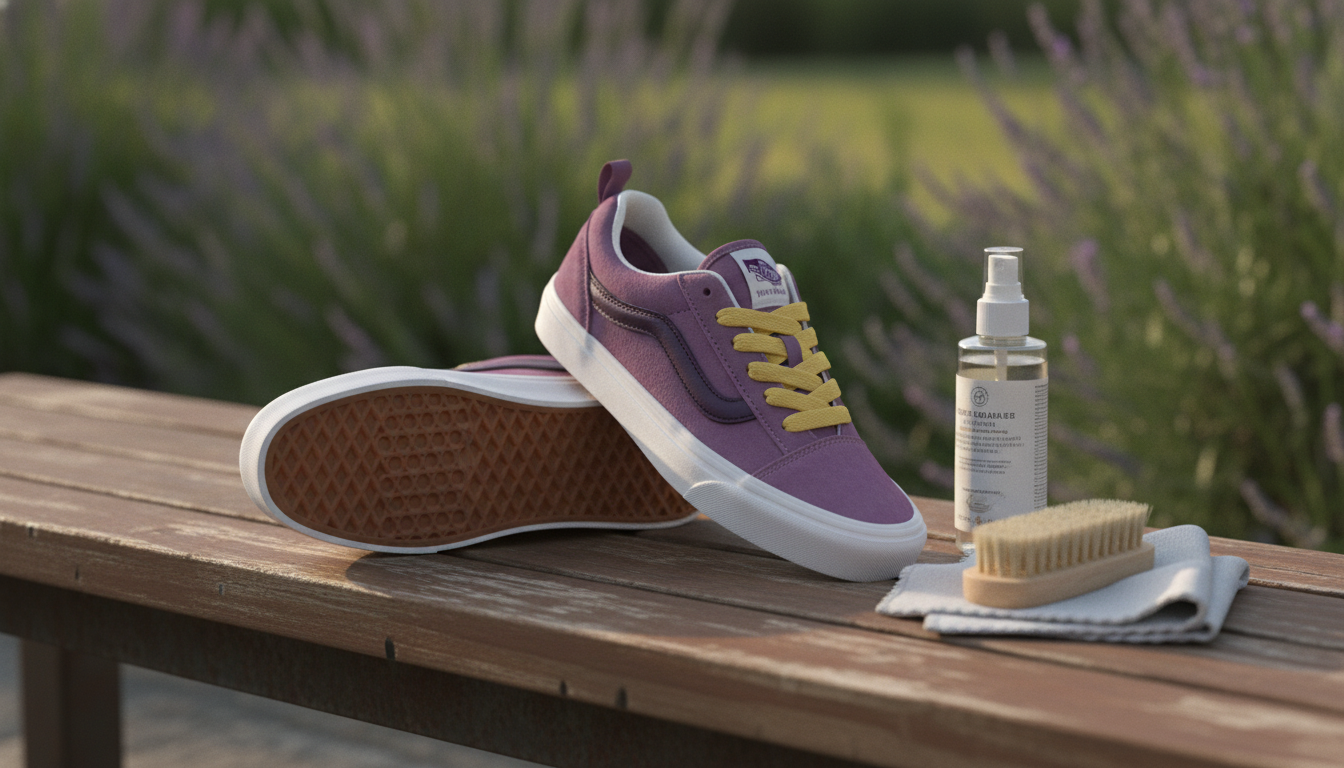
- Vans Women’s Black Leather Sneakers — $46.19 (In stock)
- Clarks Men’s Black Leather Slip-On Shoes — $67.51 (In stock)
FAQ
What age is appropriate for wooden counting sticks?
Many children can start with simple counting (1–5 or 1–10) around preschool age, then move into comparing quantities and grouping as they grow. For children who still put objects in their mouths, close supervision is important due to choking risk, and activities should match the child’s readiness.
How can counting sticks support addition and subtraction?
They model math in a visible way: combine two piles to show addition, or remove sticks from a pile to show subtraction, then recount to confirm the answer. Start with small numbers and gradually build toward making tens, skip counting, and multi-step story problems.
How should wooden counting sticks be cleaned and stored?
Wipe sticks with a slightly damp cloth and dry them fully; avoid soaking to prevent warping. Store them in a dry box or pouch and inspect periodically for rough spots or damage.







Leave a comment