Pet Travel Checklist: Safe Trips + Printable Planner
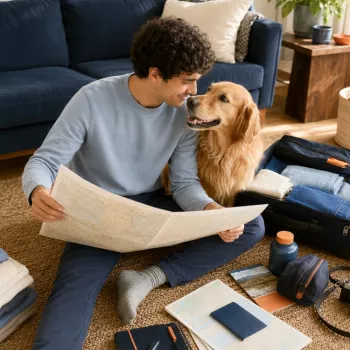
Pet Travel Essentials Checklist for Safe Trips (Printable Planner for Dogs & Cats)
A smooth trip with a dog or cat comes down to preparation: the right documents, safe transport, consistent routines, and a packing system that prevents last-minute scrambling. The goal is simple—reduce surprises, keep your pet secure, and make it easy to find what you need when you need it. Use the checklist-style plan below to cover health requirements, car and airline safety basics, and a practical packing list—plus a printable planner that keeps everything in one place.
Before You Go: Health, ID, and Trip Readiness
Start prep early enough that you have time to fix anything that could disrupt travel. A quick appointment and a few updates now can save hours of stress later.
- Schedule a vet check if travel is upcoming and your pet hasn’t been examined recently; ask about motion sickness, anxiety support, and parasite prevention.
- Confirm vaccinations and any destination requirements (boarding facilities, airlines, and some states/countries may require proof).
- Update microchip details and ensure a readable ID tag with a current phone number; pack a recent photo of your pet in case you get separated.
- If crossing borders or flying, verify paperwork timelines early—health certificates can have strict date windows.
- Do a short “practice run” in the carrier or car setup to reduce stress on travel day.
For authoritative guidance on travel safety and general pet-care considerations, review the American Veterinary Medical Association (AVMA) travel tips. For international or cross-border requirements, check timelines and rules through CDC pet travel guidance and USDA APHIS pet travel resources.
Safe Transport Setup: Car, Carrier, and Restraints
In the car, “secure” matters as much as “comfortable.” A stable setup helps prevent injuries and reduces anxiety because your pet isn’t sliding around with every turn.
- Use a crash-tested carrier or harness system when possible; secure carriers so they can’t slide or tip during sudden stops.
- Keep pets in the back seat area; avoid front-seat travel due to airbag risk.
- Never allow pets to ride with the head out the window; debris and sudden braking can cause injury.
- Plan rest stops for leashed potty breaks and water; don’t rely on unfamiliar areas being secure.
- Heat safety: never leave a pet unattended in a parked car, even for short periods.
Quick Packing Checklist by Category
| Category | What to Pack | Notes for Dogs | Notes for Cats |
|---|---|---|---|
| Documents & ID | Vet records, microchip info, emergency contacts, pet photo | Include rabies proof if required | Carrier label with contacts helps |
| Food & Water | Measured meals, treats, bottled/filtered water, bowls | Bring chew options for calm | Stick to routine; avoid sudden diet changes |
| Safety & Restraint | Carrier or harness, leash, spare leash, waste bags | Consider a seat-belt tether | Secure carrier; add a light blanket cover |
| Health | Meds, flea/tick prevention, first-aid basics, wipes | Paw balm for hot/cold surfaces | Hairball remedy if used regularly |
| Comfort | Bed/blanket, familiar toy, calming aid (if approved) | Long-lasting chews for rides | Hide-friendly blanket reduces stress |
| Hygiene | Towels, grooming brush, litter kit (if needed) | Extra poop bags + deodorizing spray | Portable litter box + scoop + bags |
Road Trip Routine: Timing, Breaks, and Comfort
Once the car is packed, your routine becomes the real “safety system.” Predictable timing and a calm environment can prevent nausea, accidents, and meltdowns.
- Feed a smaller meal ahead of departure if prone to nausea; keep treats light and consistent.
- Aim for predictable breaks (every 2–3 hours for many dogs; cats may prefer fewer disruptions with a secure carrier setup).
- Keep the car temperature stable; pack sunshades if traveling during peak heat.
- Offer water at stops and monitor for panting, drooling, or restlessness—signs of stress or overheating.
- Keep noise and sudden changes minimal; calm music and a covered carrier can help some pets.
Tip: pack a “front-seat kit” so you’re not digging through luggage on the shoulder of the highway—wipes, waste bags, a small towel, and a spare leash should be reachable in seconds.
Air Travel and Hotels: Rules to Confirm Early
Airline and lodging policies can change by season, route, and even aircraft type. Confirm details before you pay for add-ons or buy a new carrier.
Emergency Planning: What to Do If Something Goes Wrong
Printable Planner: A Simple System to Pack and Stay Organized
Helpful items you can add to your travel plan
- Printable Pet Travel Essentials Checklist and Planner (a simple one-page system for documents, meds, packing, and schedules)
- Clarks Men’s Black Leather Slip-On Shoes (easy on/off for quick rest stops and hotel runs)
- Vans Women’s Black Leather Sneakers (comfortable option for long walks during travel days)
FAQ
What are the most important travel essentials for a dog or cat?
Prioritize a safe restraint or carrier, current ID and required documents, a dependable food/water setup, any medications, and hygiene supplies. Add a comfort item (blanket or toy) to keep routines steady and reduce stress, and keep emergency contacts handy.
How often should pets take breaks on a road trip?
Many dogs do well with breaks about every 2–3 hours for water, a leashed potty walk, and a quick reset. Cats often prefer fewer disruptions, but they still need temperature checks, calm monitoring, and water opportunities if they’ll drink at stops.
Is it safe to let a pet ride unrestrained in the car?
Unrestrained travel is not recommended because sudden stops can injure your pet and distract the driver. Use a secured carrier or a harness with a seat-belt tether, and keep pets in the back seat area away from airbags.











Leave a comment