Calm Your Mind: Guided Audio Meditations for Anxiety
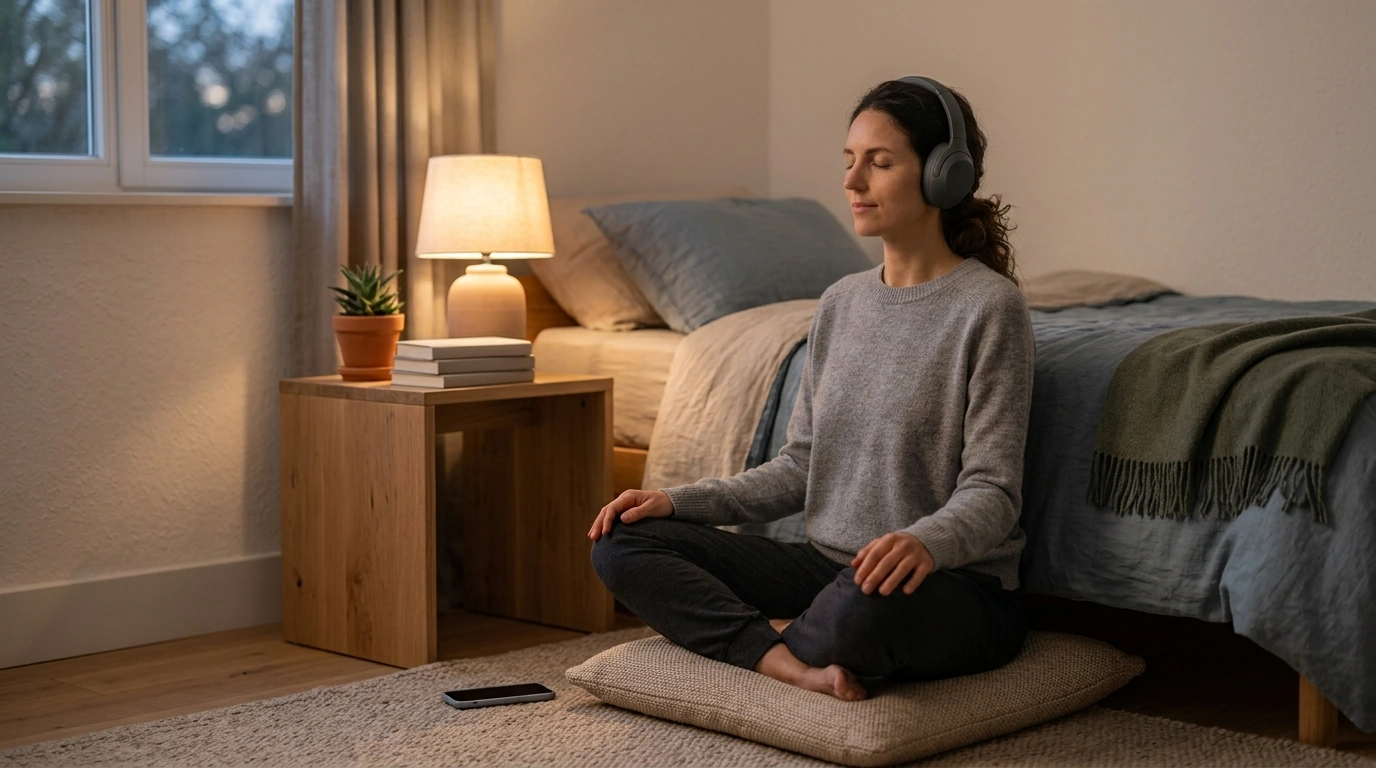
Calm Your Mind: A Guided Meditation Audio Course for Anxiety Relief
Racing thoughts, tension, and constant worry can make even simple tasks feel heavy. A guided meditation routine offers an accessible way to slow the nervous system down, rebuild a sense of safety in the body, and practice responding to stress with steadier attention. Calm Your Mind: Guided Meditation Series (Audio Course) is designed to support anxiety relief through repeatable sessions that fit into mornings, breaks, or bedtime—so you can press play and let the guidance carry you when your mind feels overloaded.
What This Guided Meditation Series Helps With
- Anxiety spirals: practicing a shift from rumination to present-moment anchors (breath, sound, body sensations).
- Physical stress symptoms: reducing muscle tension and shallow breathing with paced guidance.
- Overstimulation: creating a short reset between work, caregiving, commuting, or social demands.
- Sleep transitions: calming the mind before bed and easing the handoff from alertness to rest.
- Consistency: building a simple habit with sessions that can be repeated without extra planning.
For many people, the biggest relief comes from repetition: the same cues (voice, pacing, prompts) become familiar, and familiarity itself can signal safety. If you want a deeper overview of effectiveness and safety considerations, the NCCIH summary on meditation and mindfulness is a helpful reference: Meditation and mindfulness: effectiveness and safety.
What’s Included in Calm Your Mind
- An audio-guided structure that reduces decision fatigue—press play and follow along.
- A progression of sessions that can be used as a short daily practice or as-needed support during stressful moments.
- Common relaxation techniques such as breath awareness, body scan-style noticing, gentle visualization, and grounding prompts.
- Beginner-friendly design while still useful for experienced meditators who want a straightforward routine.
- Digital access for home, work (with headphones), or travel.
Quick Course Snapshot
| Feature | Details |
|---|---|
| Format | Audio course (guided sessions) |
| Best for | Anxiety relief, calming racing thoughts, stress resets, bedtime wind-down |
| Skill level | Beginner-friendly; repeatable for ongoing practice |
| Price | $28.99 (USD) |
| Availability | In stock |
How to Use the Sessions for Maximum Calm
- Start small: commit to a short daily session for 7 days before increasing frequency or length.
- Pair with a cue: use the same trigger each day (after brushing teeth, before lunch, after shutting down your laptop).
- Choose a posture that feels safe: seated with back support, lying down for relaxation, or standing if restlessness is high.
- Use a “minimum effective dose”: on anxious days, even a brief grounding session can interrupt the spiral.
- Track one outcome: note a single metric like tension level, breath depth, or ease of falling asleep—keep it simple.
If breathing techniques are part of your routine, the Mayo Clinic overview of relaxation strategies offers practical context for breath focus and muscle relaxation: Relaxation techniques: Breath focus and muscle relaxation.
A Simple 10-Minute Routine for Anxious Moments
When anxiety spikes, complexity can backfire. This 10-minute structure is meant to be easy to remember, even on hard days:
- Minute 1–2: orient—notice 3 things you can see, 2 you can feel, 1 you can hear.
- Minute 3–5: slow breathing—extend the exhale slightly (comfortable, not forced).
- Minute 6–8: body scan—relax jaw, drop shoulders, soften belly, unclench hands.
- Minute 9–10: closing phrase—choose a neutral line such as “right now, I’m safe enough to breathe.”
- Then: press play on a guided session to reinforce the pattern and reduce mental effort.
This is where audio guidance can help most: instead of negotiating with your thoughts, you follow a steady voice and simple prompts—especially useful when you’re overstimulated or mentally tired.
Who This Audio Course Is For (and When to Consider Extra Support)
- Good fit for: busy schedules, meditation beginners, people who prefer guidance over silent practice, and anyone needing a portable calming tool.
- Helpful during: work stress, social anxiety buildup, pre-sleep worry, travel nerves, and overstimulating environments.
- Not a replacement for care: persistent panic, trauma symptoms, or severe anxiety may benefit from a licensed clinician alongside meditation.
- If meditation increases distress: switch to grounding (eyes open, name objects, feel feet) and consider professional guidance.
Practical Tips to Make Guided Meditation Stick
- Set the environment: low light, phone on Do Not Disturb, comfortable temperature, and headphones if noise is distracting.
- Expect wandering: returning attention is the practice; drifting doesn’t mean failure.
- Use compassion over control: soften effort; aim for steadiness, not perfection.
- Repeat favorites: repeating the same session can deepen safety signals faster than constantly switching.
- If time is tight: do one session at the same time daily for two weeks before adding a second.
Supportive Add-Ons for a Calmer Routine (Optional)
- Clarks Men’s Black Leather Slip-On Shoes for easy on/off errands or quick reset walks.
- Vans Women’s Black Leather Sneakers for a simple, everyday option that works for walking meditation or low-key movement.
Calm Your Mind: Product Details
Get Calm Your Mind: Guided Meditation Series (Audio Course)
FAQ
How often should guided meditation be used for anxiety relief?
Start with once daily for 7–14 days so your body learns the routine, then adjust to 3–5 times per week or add short as-needed sessions on stressful days. Consistency matters more than long duration.
Can guided meditation help with sleep if anxiety keeps the mind active?
Yes—using a session as part of a nightly wind-down can help by slowing the exhale, releasing muscle tension, and reducing rumination. Using it at the same time each evening often makes the transition to sleep feel smoother.
What if meditation makes anxiety feel worse at first?
Sometimes increased awareness can feel intense; try shorter sessions, keep your eyes open, and focus on external sounds or sensations like your feet on the floor. If distress persists or feels unmanageable, consider support from a licensed clinician.











Leave a comment