Dr. Martens Women’s Leather Sandals: Fit & Care Tips
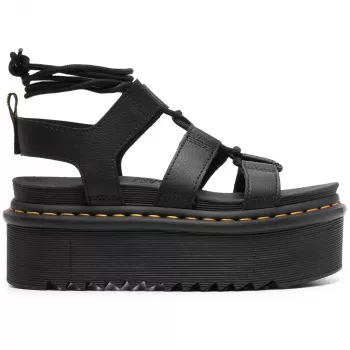
Dr. Martens Women’s Leather Sandals: Comfort, Fit, and Everyday Styling
Leather sandals with a durable sole and secure straps can handle long summer days, city walking, and weekend plans without feeling disposable. This guide breaks down what to look for in Dr. Martens women’s leather sandals—fit, materials, comfort, and care—plus easy outfit pairings and practical tips to keep leather looking better over time. For more guidance, see Platform Doc Sandals – DR. MARTENS Blaire Quad Hydro ….
What Makes Dr. Martens Leather Sandals Stand Out
Dr. Martens sandals tend to feel more “built” than many warm-weather styles. That doesn’t just change how they look—it changes how they wear over a full day. For further reading, see Dr. Martens Blaire Sandal (Women).
- Heritage build approach: Thicker materials, reinforced stitching, and soles made for repeat wear help them hold their shape longer.
- Distinctive look: The design usually lands between rugged and minimal, so it works with casual staples and more structured outfits.
- Secure strap designs: Compared with fashion-only sandals, the strap layouts typically prioritize stability and a locked-in feel.
- Leather uppers that evolve: With a sensible break-in and basic conditioning, leather can soften and mold to your foot over time.
Materials and Construction to Check Before Buying
Two leather sandals can look similar online but feel totally different once you start walking. Focus on the details that influence comfort, traction, and longevity.
- Upper leather type: Smooth leather often reads cleaner and more polished, while grained leather can camouflage scuffs and creasing better.
- Lining and edge finishing: Soft contact points around the toes and instep reduce rubbing—especially during the first few wears.
- Footbed feel: A supportive shape (not just a flat platform) tends to feel better on longer walks.
- Outsole traction: Deeper tread helps on wet sidewalks, slick floors, and uneven pavement.
- Hardware quality: Buckles and strap keepers should adjust easily and stay put without slipping.
Quick checklist for comparing leather sandals
| What to check | Why it matters | What “good” looks like |
|---|---|---|
| Strap placement | Prevents hot spots and heel slip | Snug at the ankle, comfortable at the forefoot |
| Footbed contour | Comfort for extended walking | Gentle arch/heel shape, not overly rigid |
| Leather thickness | Durability and structure | Feels substantial but can flex at the ball of foot |
| Outsole tread | Grip and stability | Defined pattern with confident contact on smooth floors |
| Adjustability | Fit across different foot widths | Multiple holes/Velcro range without pinching |
Fit and Sizing: Getting the Right Feel on Day One
Comfort starts with stability. A sandal that “almost” fits can feel fine for a coffee run and miserable after a few miles.
- Aim for a secure heel: If your heel lifts noticeably while walking, friction and blisters become much more likely.
- Leave toe room: Toes shouldn’t press into the front edge. A small buffer helps on hot days when feet swell.
- Adjust straps in a smart order: Start with the ankle/heel strap for stability, then refine the forefoot straps for comfort.
- If between sizes: Prioritize the length that prevents toe overhang, then use strap adjustment to fine-tune width.
- Break in gradually: Start with short indoor wears or brief errands so the leather can adapt without punishing your skin.
For more general foot-health guidance on supportive footwear and fit, the American Podiatric Medical Association (APMA) offers practical education on what to look for.
Comfort and Walkability: What to Expect Over Time
Many leather sandals feel firmer out of the box than foam-heavy alternatives. The tradeoff is structure and durability—but you want the break-in to be controlled, not painful.
- Expect some early stiffness: Thicker straps often need a few wears to relax, especially at flex points.
- Use socks as a break-in tool: Thin, breathable socks can cut friction during the first few wears without overheating your feet.
- Look beyond platform height: A taller sole doesn’t automatically mean better comfort; footbed shape and midsole feel matter more for long days.
- Manage heat and moisture: Let sandals air out fully between wears, and rotate footwear when possible to extend lifespan.
- Address rubbing early: Check strap edges and buckle contact points. Small fit tweaks often solve “hot spots” before they become blisters.
Styling Ideas for City Days and Weekends
Leather sandals can anchor an outfit the way a sneaker does—only with a warmer-weather feel. The key is balancing the sandal’s structure with clean proportions.
Leather Care and Maintenance for a Longer Lifespan
For brand-specific do’s and don’ts, refer to Dr. Martens — Shoe Care Guides. If responsible sourcing is part of your buying checklist, the Leather Working Group shares information on leather supply-chain standards and auditing.
Product Pick and Similar Options in Stock
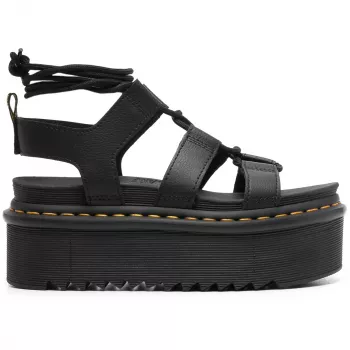
- Dr. Martens Women’s Leather Sandals — A durable leather sandal option for everyday wear, with a secure, structured feel that holds up well across errands, walking, and weekend plans.
- Vans Women’s Black Leather Sneakers — If you prefer more coverage for commuting, cooler days, or longer urban walks, a leather sneaker can deliver a similar rugged-casual vibe with extra protection.
FAQ
Do leather sandals stretch over time?
Leather often relaxes and molds with wear, especially at flex points, but it shouldn’t start painfully tight. A gradual break-in and strap adjustments usually deliver the best fit without relying on major stretch.
How can rubbing from straps be reduced?
Start by tightening the heel/ankle strap for stability, then adjust the forefoot for comfort. Thin socks during break-in and blister-prevention on known hot spots can help, and it’s worth checking that buckle edges aren’t hitting bare skin.
Can leather sandals get wet?
Light moisture is usually manageable, but repeated soaking can shorten leather life. If they get wet, air dry away from heat, wipe clean once dry, and condition afterward to restore flexibility.







Leave a comment